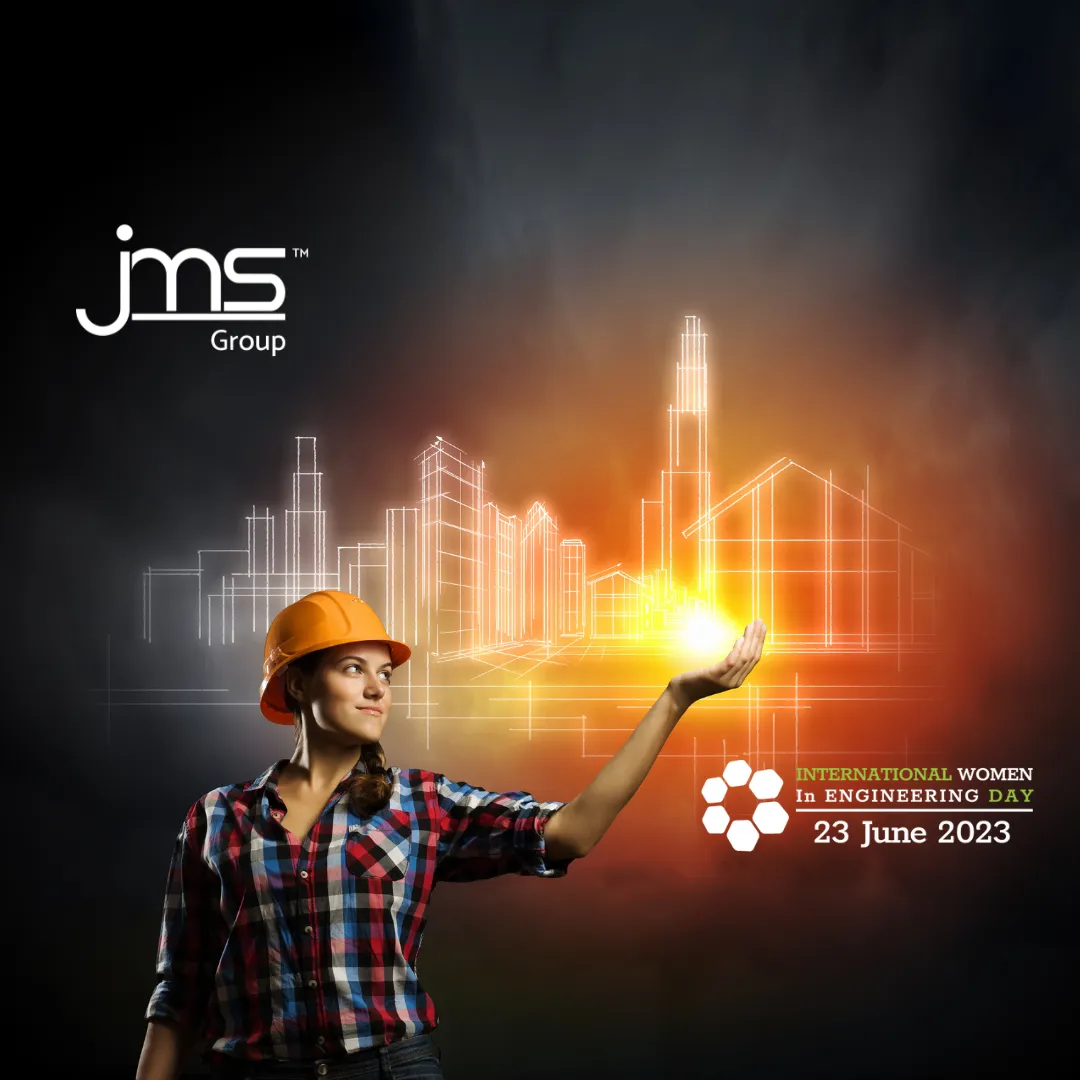
It’s widely accepted that the underrepresentation of women in engineering is an issue that persists globally, and despite significant advancements in gender equality in various fields, engineering remains a predominantly male-dominated profession.
This lack of diversity deprives society of the potentially unique perspectives and talents that women can bring. It is essential to explore the factors contributing to this gender imbalance and propose actionable steps to promote inclusivity and achieve gender parity in engineering.
At JMS, we’re so proud to have our teams enhanced by women spread across both the engineering sectors we cover as well as the managerial aspects associated with running a SME. We continue to look for ways to harbour new talent, drive professional development for everyone and actively recruit into leadership and senior roles irrespective of gender. We’re also keen champions of emerging talent, with Megan Nicholson and Katherine Searle in our team, just two of our undergraduates bringing fresh perspectives and passion into JMS.
We talked to some of our female colleagues about the imbalance in the industry, and life at JMS, ahead of National Women in Engineering Day.
From a young age, societal stereotypes and biases often shape perceptions of suitable career paths for boys and girls. Engineering has long been associated with the term ‘blue job,’ reinforcing the idea that it is a male-dominated field.
Megan Nicholson, Undergraduate Engineer said:
Breaking these stereotypes is crucial, and it starts with promoting awareness and education at all levels. Encouraging girls to explore STEM subjects, providing positive role models, and showcasing successful women engineers can help dispel misconceptions and inspire young girls to consider engineering as a viable career option.
Enhancing the representation of women in engineering requires focused efforts within educational institutions. Schools and universities should foster an inclusive learning environment that encourages girls to pursue STEM subjects and provides equal opportunities for their growth. Mentorship programmes can play a pivotal role in connecting female students with successful women engineers who can provide guidance, support, and career advice. By creating strong support networks, we can empower women to navigate the challenges often faced in male-dominated industries.
Eleftheria Giouvanoglou, CAD Technician, said
Another crucial aspect in promoting gender equality in engineering is establishing flexible working practices that accommodate the needs of both men and women. Traditionally, rigid work schedules and long hours made it difficult for women to balance their professional aspirations with what was often, an unbalanced view of family responsibilities. However, times have changed and gender equality – whether related to maternity/paternity leave or school runs etc. can be reflected by implementing flexible working hours or additional days off such as the ‘Free Fridays’ that JMS has implemented over the past 5 years.
Jo Kingshott, SAS Coordinator explained:
“I definitely think it’s a generational thing’, says Lynne Pickering. ‘When I was growing up, I didn’t know any female engineers, but a lot of people would choose to go into engineering jobs because their fathers, uncles, grandfathers all took the same path. As more and more women get enticed and are successful in their roles, they too will inspire other females to take the same path. I think that’s why we will continue to see a rise across the industry over the coming years as more women get into leadership roles, inspiring the next generation.”
When JMS was launched, twenty-five years ago, there were more women on the payroll than men, and Anna-Maria Staines, Director, still sits toe to toe with her male counterparts today. However, it isn’t just Anna-Maria that is driving the inclusive environment at JMS, the whole Senior Leadership Team have always encouraged and been advocates of female employees, finding ways and means to empower them and give them the opportunities that enable them to thrive in their roles.
Underlining our commitment to workplace contentment, JMS has recently been shortlisted for the prestigious NCE (New Civil Engineer) ‘Best Place to Work Award.’ This distinguished nomination serves as a testament to our unwavering dedication to fostering a culture of staff wellbeing and innovation within the business.
This recognition further highlights our efforts in promoting a positive work atmosphere, encouraging collaboration, and nurturing a sense of belonging among our workforce.