
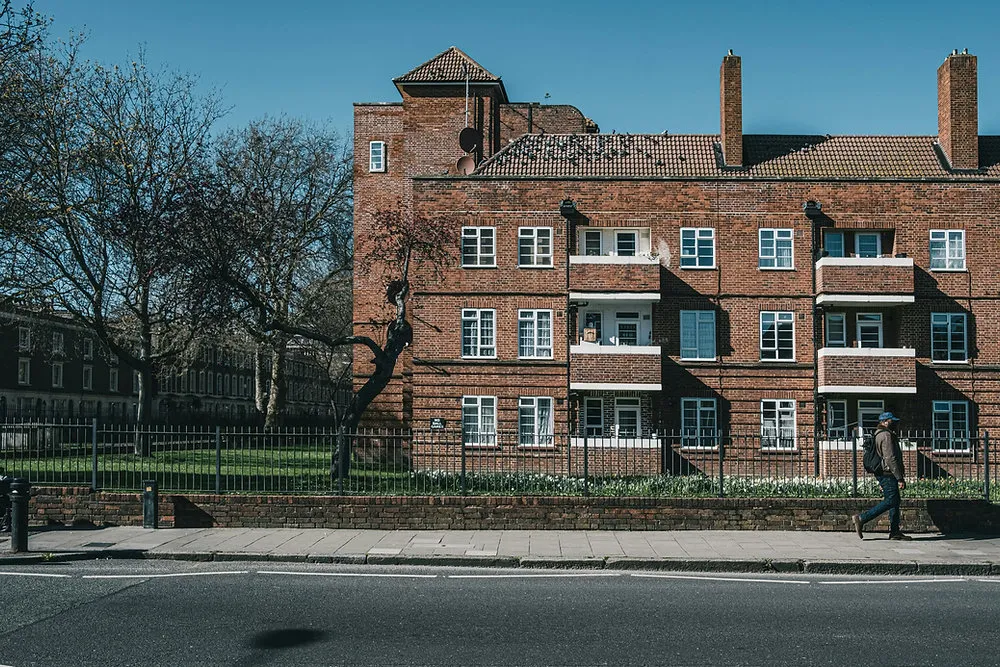
But in a market this fast, it’s easy to let the "period charm" - the original shutters, the marble fireplaces, and the high ceilings - blind you to the structural reality of the building. At JMS Engineers, we’ve spent years poking around the lofts and basements of N1 and E8. If you’re currently house-hunting in these postcodes, here is what you need to look for before you sign on the dotted line.
The Georgian "Drop": Timber Lintels & Masonry
Islington is the crown jewel of Georgian architecture. While these homes are breath-taking, they were built with materials that have a literal expiry date.
The Basement Boom and Party Wall Stress
In Highbury and De Beauvoir, where square footage is gold, many homeowners have dug down. Basement conversions are great for space, but they are a massive structural undertaking.
Hackney’s "Infill" and Differential Settlement
Hackney’s architectural landscape is a patchwork. You’ll often see a modern 1950s or 1990s house "squeezed" between two Victorian terraces - often the result of historic bomb damage or clever land use.
Inspect the vertical junction where the new building meets the old. If there is a widening gap or a "stairstep" crack that has been heavily caulked or painted over, the buildings are likely experiencing differential settlement.
Many grand townhouses in N1 and E9 were carved into flats decades ago. Often, new internal walls were built to create bathrooms and kitchens without reinforcing the floors below.
In a high-activity area like Islington or Hackney, the pressure to "waive the survey" or rely on a basic mortgage valuation is high. However, a mortgage valuation is for the bank’s protection, not yours.
A targeted structural inspection isn't about finding reasons to walk away - it’s about knowing the true cost of your "charm." It gives you the leverage to negotiate repairs or simply the peace of mind that your E8 loft isn't going to provide any expensive surprises.