
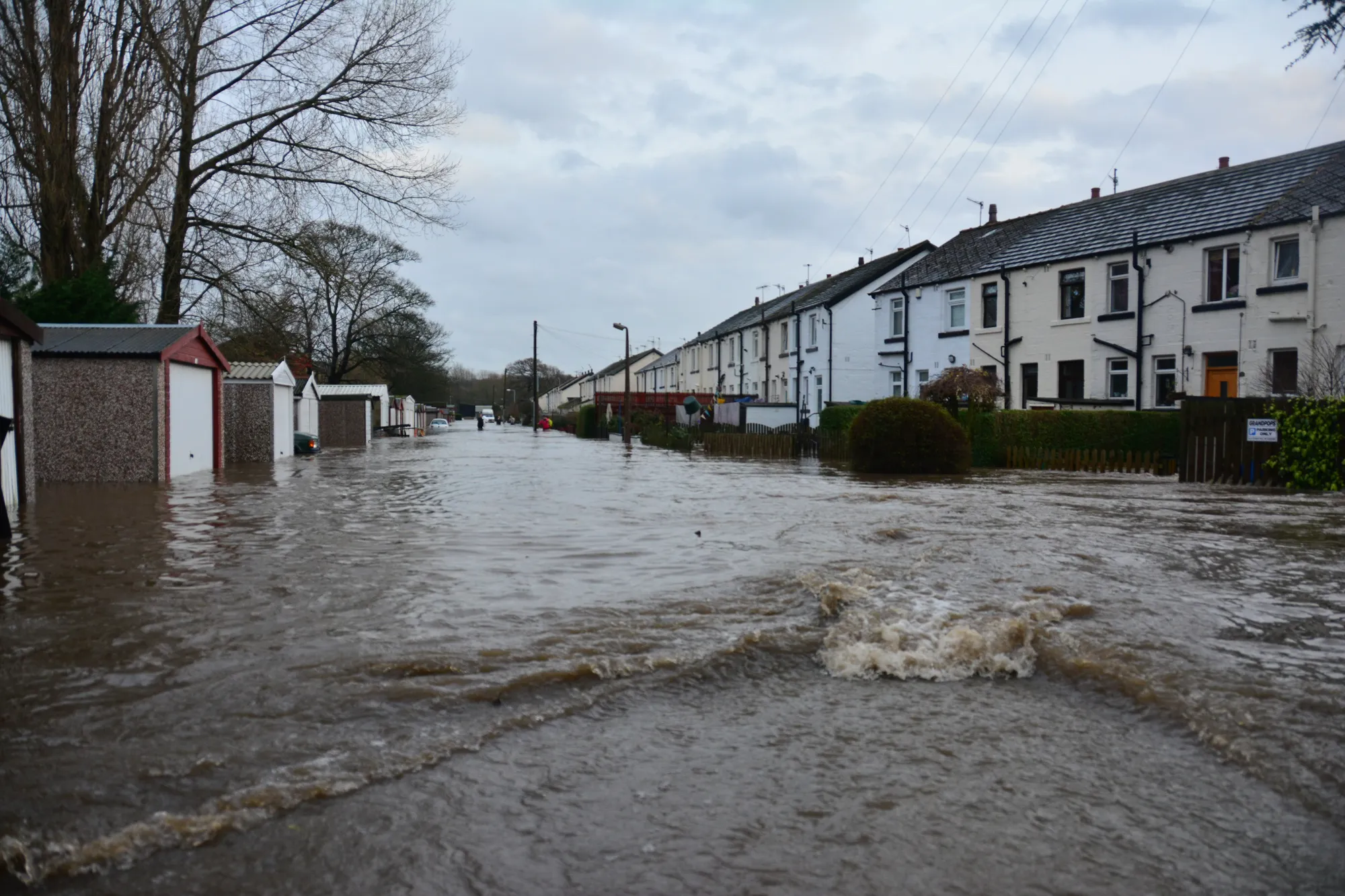
For developers and local authorities, this raises some big questions: What does the end of Ofwat mean for my projects? How can we ensure drainage plans remain compliant and sustainable during this transition?
At JMS Engineers, our civil engineers specialise in sustainable drainage, drainage design, and water infrastructure planning. Here's what you need to know - and how we can help you stay ahead.
After years of underinvestment and fragmented oversight, the water sector has reached a breaking point. Ofwat was increasingly criticised for focusing on economic metrics at the expense of environmental resilience. The result? Ageing infrastructure, frequent sewer overflows, and a backlog of delayed or blocked developments due to network capacity issues.
By replacing Ofwat with a single integrated regulator, the Government aims to fix these problems with coordinated oversight that aligns infrastructure, environmental standards, and customer outcomes. The overhaul is backed by a £104 billion investment to upgrade water systems, reduce pollution, and support long-term infrastructure planning.
Here’s what the new system looks like:
- Single Integrated RegulatorOne body will take on all water-related responsibilities - from pricing and infrastructure investment to environmental protection and water quality.
- Regional Water Planning AuthoritiesEight new regional bodies will coordinate water infrastructure planning with local development, aiming to streamline decision-making and align housing growth with infrastructure upgrades.
- Tougher Environmental StandardsExpect stronger enforcement of sustainable drainage, flood resilience, and water efficiency in developments – including greater use of SuDS, water reuse, and on-site surface water management.
- Enhanced AccountabilityA new Water Ombudsman will oversee consumer rights and complaints, reinforcing transparency and customer protection throughout the system.
The new framework could remove some long-standing barriers to development, particularly around wastewater infrastructure. Delays due to sewer capacity constraints have become common under the old system - and often cost developers time and money.
With the new regulator coordinating both infrastructure and environmental concerns, there’s a push to invest ahead of demand, not after the fact. However, it also means developers must:
Provide evidence of sustainable drainage and sewerage capacity.
Design with long-term climate resilience in mind.
Deliver projects that align with stricter environmental and planning compliance standards.
Robust drainage strategies and SuDS designs are no longer optional – they are critical.
What This Means for Local Authorities
Local authorities are likely to gain more influence through the new regional water planning model - but also more responsibility. Planning officers and LLFAs must:
Ensure water and drainage infrastructure is considered at the earliest stages of planning.
Apply stricter checks on the environmental and flood resilience of developments.
Collaborate with the new regulator to align local plans with regional water strategies.
Increased scrutiny is expected, especially around the adoption and maintenance of SuDS and the integration of drainage planning into local development frameworks.
This regulatory transition is a chance to get ahead – and we’re here to guide you through it.
Whether you're developing new housing or reviewing planning applications, our expertise ensures your drainage infrastructure is future-ready.
The end of Ofwat marks a turning point for UK water regulation. For developers and local authorities, it’s a chance to build smarter, more resilient infrastructure with sustainability at the core.
At JMS Engineers, we deliver the drainage design and water infrastructure solutions you need to thrive in this new era. From planning to delivery, we’re here to help.
Ready to future-proof your drainage strategy?
Contact JMS Engineers today to speak with our team about your next project.