
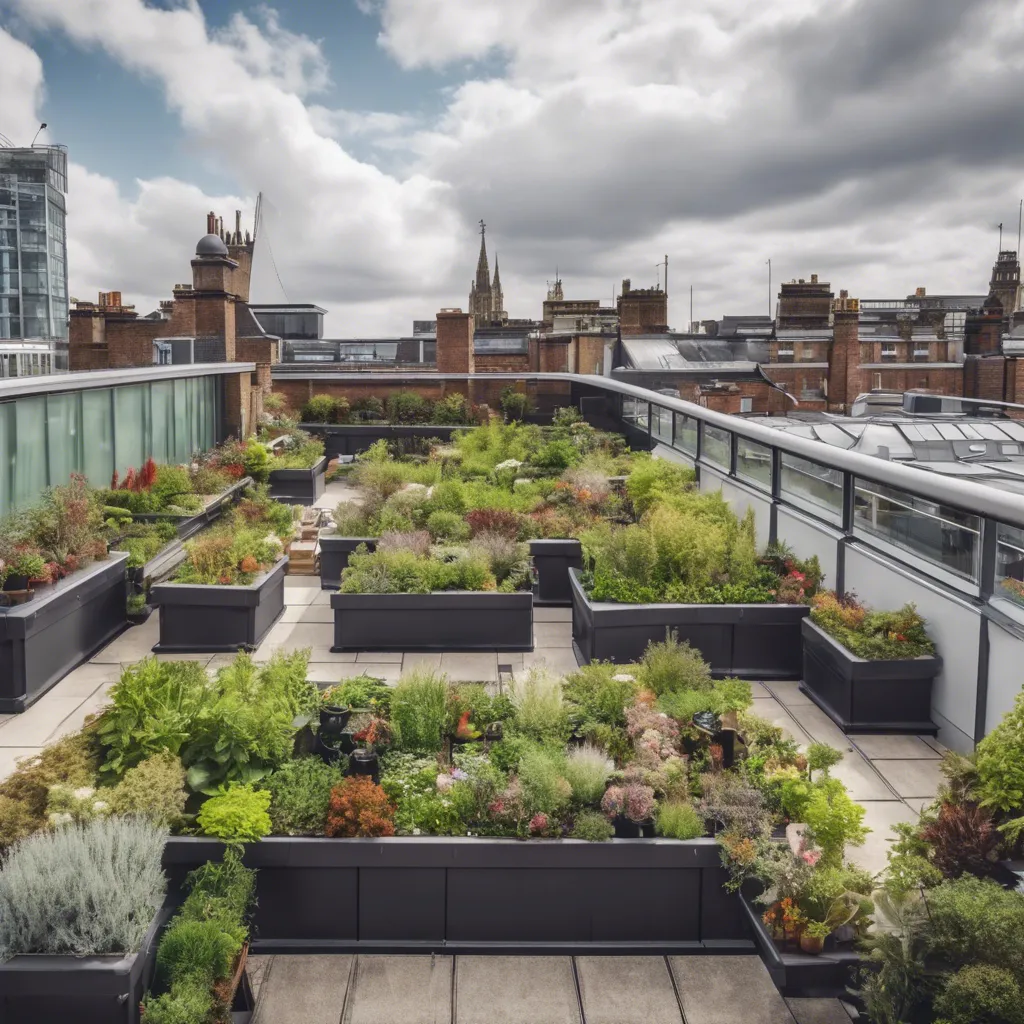
As urban areas expand, the need for sustainable and functional spaces has never been greater. Roof gardens, a staple in modern architecture, not only elevate a building's aesthetic but also provide significant environmental, economic, and social advantages. Whether it’s reducing urban heat or managing stormwater, roof gardens are a key feature of sustainable urban drainage systems (SuDS). Find out below why integrating roof gardens into your projects is a decision you won't regret.
Roof gardens are essential in reducing the risks of urban flooding.
Green roofs offer practical benefits that improve a building’s performance.
Improved Air Quality: Filters pollutants, enhancing the air quality around your building.
Roof gardens create vital habitats for flora and fauna in urban environments.
Supports Pollinators: Bees, butterflies, and other species thrive in these green spaces.
Provides Shelter: Birds and small wildlife find refuge in rooftop ecosystems.
Encourages Native Plants: Promotes local vegetation, enriching biodiversity.
Beyond functionality, roof gardens create enjoyable spaces for people.
Urban Oasis: Offers a peaceful retreat from the hustle and bustle of city life.
Integrating roof gardens into your civil engineering projects isn't just about aesthetics - it’s about building resilient, sustainable urban spaces.
Get in touch today to learn how we can support your next civil engineering project.