
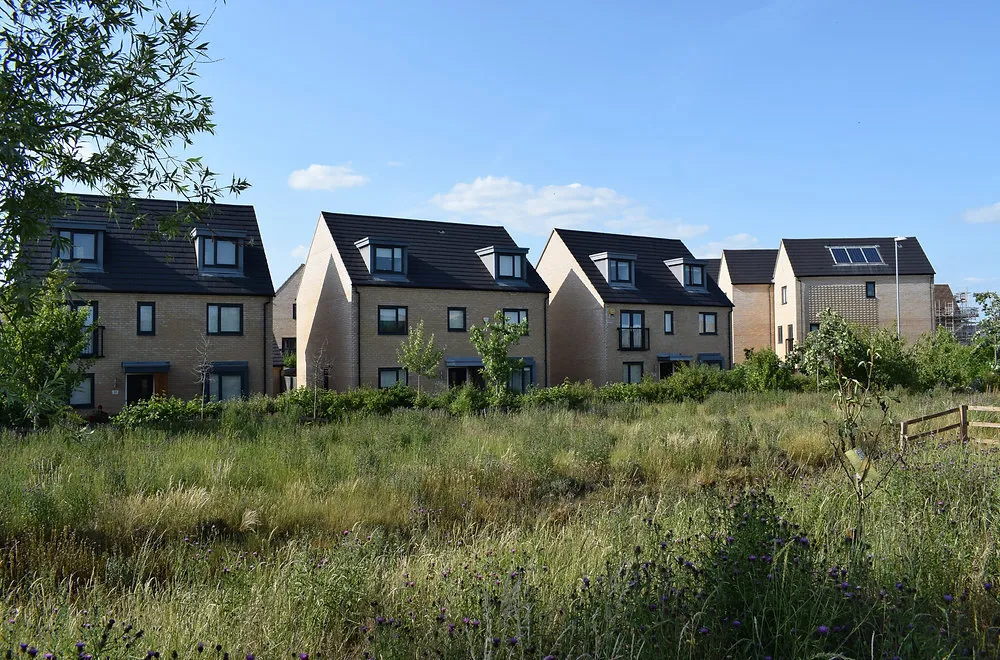
SuDS are designed to manage surface water as close to where it falls as possible, using techniques such as permeable paving, soakaways, swales, rain gardens, and attenuation features. Rather than rushing water straight into overstretched sewers, Sustainable Drainage Design slows, stores, and filters runoff in a way that mimics natural processes.
Why 2026 Is a Turning Point for SuDS in England
The biggest shift comes from the long-anticipated implementation of Schedule 3 of the Flood and Water Management Act in England. From 2026, SuDS will effectively become mandatory for most new developments, rather than simply encouraged through planning guidance.
This marks a major change in approach. Drainage will no longer be assessed as a secondary consideration; instead, it will be treated as essential infrastructure, much like highways or utilities. For homeowners, architects, and developers, this means SuDS must be considered early in the design process.
One of the most important changes is the introduction of SuDS Approving Bodies (SABs) within local authorities. These bodies will be responsible for reviewing and approving SuDS proposals separately from planning permission. In practice, this means developments will need a clear, compliant SuDS strategy before construction can begin.
Updated national SuDS standards also place a stronger emphasis on quality, not just compliance. SuDS Designs are expected to deliver multiple benefits, including flood risk reduction, water quality improvement, biodiversity enhancement, and visual amenity. Drainage features are increasingly seen as part of the landscape and public realm, not hidden engineering elements.
There is also a greater focus on long-term performance. SuDS must be designed with maintenance and durability in mind, ensuring systems continue to function effectively well into the future. This affects everything from component selection to access for inspection and maintenance.
If you’re planning a new home or extension, you may be asked to demonstrate how surface water will be managed sustainably on your site. Even smaller developments are increasingly expected to include SuDS measures, particularly in areas with known flood risk.
Simple solutions such as permeable driveways, soakaways, or small rain gardens can often satisfy requirements while adding visual appeal and resilience to your property.
What It Means for Architects and Developers
For architects, SuDS Design will need to be embedded into site layouts from the outset. Space for drainage features, integration with landscaping, and coordination with structural and civil design will be essential.
For developers, early engagement with SuDS specialists will be key to avoiding delays. While SuDS approval adds another step to the process, well-designed systems can reduce long-term infrastructure costs and increase the overall value and sustainability credentials of a development.
The 2026 changes represent a clear shift towards greener, more resilient development across England. SuDS, SuDS Designs, and Sustainable Drainage Design are no longer optional extras – they are becoming the standard.
At JMS Engineers, we support homeowners, architects, and developers with compliant, practical, and well-integrated SuDS solutions. Preparing now means smoother approvals, better designs, and developments that are fit for the future.